

Introduction
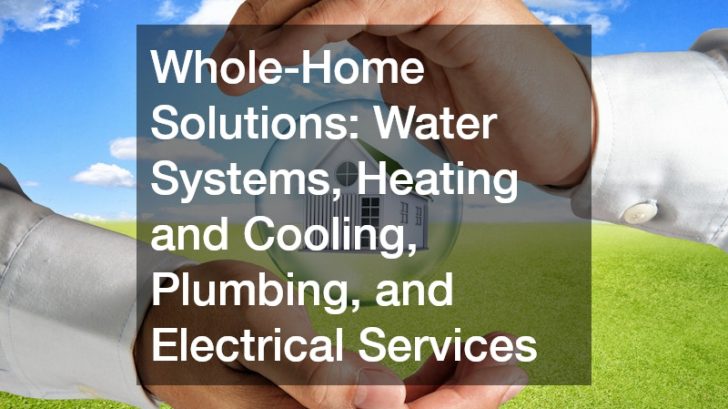
A well-functioning home depends on several interconnected systems working together seamlessly. Water delivery, heating and cooling, plumbing, and electrical infrastructure all play essential roles in maintaining comfort, safety, and efficiency. When one system begins to fail, it often places additional strain on others, leading to higher utility costs, reduced performance, and potential damage.
Many homeowners focus on repairs only when something breaks, but a proactive approach is far more effective. Regular maintenance, timely upgrades, and strategic planning can extend the lifespan of critical systems while improving overall performance. Understanding how these systems interact allows you to make smarter decisions about repairs and investments.
This guide provides practical strategies for evaluating your home’s core systems, identifying potential issues, and working with qualified professionals. By taking a comprehensive approach, you can ensure your home remains reliable, efficient, and comfortable for years to come.
Evaluate Your Home’s Core Systems Before Making Upgrades

Before investing in upgrades, it is essential to assess the current condition of your home’s systems. A thorough evaluation helps identify inefficiencies, safety risks, and areas that require immediate attention.
Start by inspecting visible components throughout your home:
-
Check for leaks under sinks and around appliances
-
Listen for unusual noises in HVAC systems
-
Look for corrosion or wear on exposed pipes
-
Monitor water pressure and temperature consistency
-
Observe electrical outlets for signs of damage or overheating
A licensed plumber can perform a comprehensive inspection of your plumbing system, identifying hidden leaks, outdated piping, and inefficiencies that may not be visible during a basic walkthrough. Early detection prevents minor issues from escalating into major repairs.
It is also helpful to document your findings. Keep a record of system ages, previous repairs, and any recurring issues. This information allows professionals to provide more accurate recommendations and helps you prioritize projects based on urgency.
Improve Water Quality and Safety Throughout Your Home
Water quality directly impacts both your health and the longevity of your home’s systems. Hard water, contaminants, and sediment can damage appliances, reduce efficiency, and affect taste and odor.
Investing in water treatment services is an effective way to address these issues. These systems are designed to remove impurities, balance mineral content, and improve overall water quality.
Signs that your home may benefit from water improvements include:
-
Mineral buildup on faucets and fixtures
-
Dry skin or hair after showering
-
Cloudy or discolored water
-
Unpleasant taste or odor
Common solutions include filtration systems, softeners, and reverse osmosis units. These systems not only improve water quality but also extend the lifespan of appliances such as dishwashers and washing machines.
To maintain optimal performance:
-
Replace filters regularly
-
Schedule annual inspections
-
Monitor water pressure and flow
-
Test water quality periodically
Improving water quality is a long-term investment that enhances comfort and protects your home’s infrastructure.
Ensure Reliable Hot Water for Daily Use
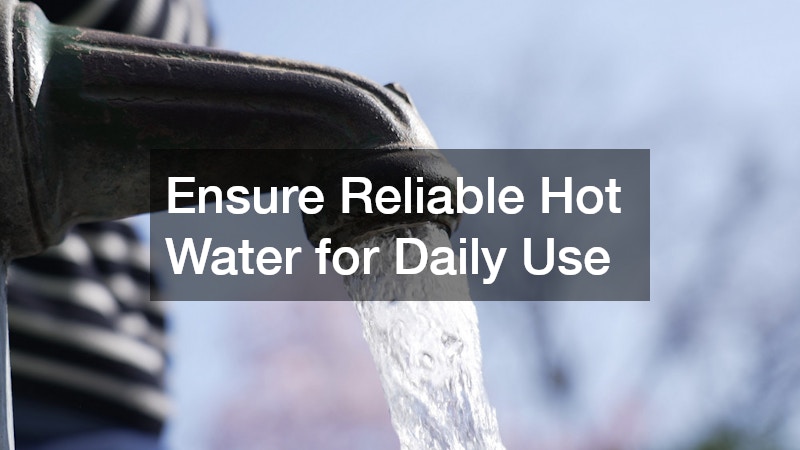
Hot water is essential for everyday tasks, from bathing to cooking and cleaning. When systems fail or become inefficient, it can disrupt your routine and increase energy costs.
Planning for water heater installation requires careful consideration of your household’s needs. Factors to evaluate include:
-
Household size and water usage
-
Energy efficiency ratings
-
Available fuel sources (electric, gas, or hybrid)
-
Installation space and requirements
Modern systems offer improved efficiency and performance compared to older models. Tankless options, for example, provide on-demand hot water and reduce energy consumption.
To extend the lifespan of your system:
-
Flush the tank annually to remove sediment
-
Check for leaks or corrosion
-
Inspect pressure relief valves
-
Maintain proper temperature settings
Routine maintenance ensures consistent performance and helps prevent unexpected breakdowns.
Maintain Private Water Systems for Consistent Supply
Homes that rely on private wells require additional attention to ensure a steady and safe water supply. These systems depend on pumps, pressure tanks, and proper maintenance to function effectively.
When issues arise, well pump repairs may be necessary to restore water flow and pressure. Warning signs include:
-
Intermittent water supply
-
Low or fluctuating pressure
-
Air sputtering from faucets
-
Unusual noises from the pump
Preventative care is essential for avoiding costly repairs:
-
Schedule annual inspections
-
Test water quality regularly
-
Monitor pressure tank performance
-
Protect system components from extreme weather
Addressing small issues early helps maintain reliability and reduces the risk of complete system failure.
Protect Your Property With Proper Wastewater Management
Wastewater systems are often overlooked until problems occur. Proper maintenance is critical for preventing backups, odors, and environmental contamination.
Routine septic tank cleaning services ensure that waste is processed efficiently and safely. Over time, solids accumulate in the tank, reducing capacity and increasing the risk of failure.
Signs that maintenance is needed include:
-
Slow drains throughout the home
-
Sewage odors near the yard
-
Standing water around the drain field
-
Frequent plumbing backups
To keep systems functioning properly:
-
Schedule regular pumping every few years
-
Avoid flushing non-biodegradable items
-
Limit water usage during peak times
-
Protect the drain field from heavy equipment
Consistent maintenance extends system lifespan and prevents costly repairs.
Upgrade Heating Systems for Comfort and Efficiency
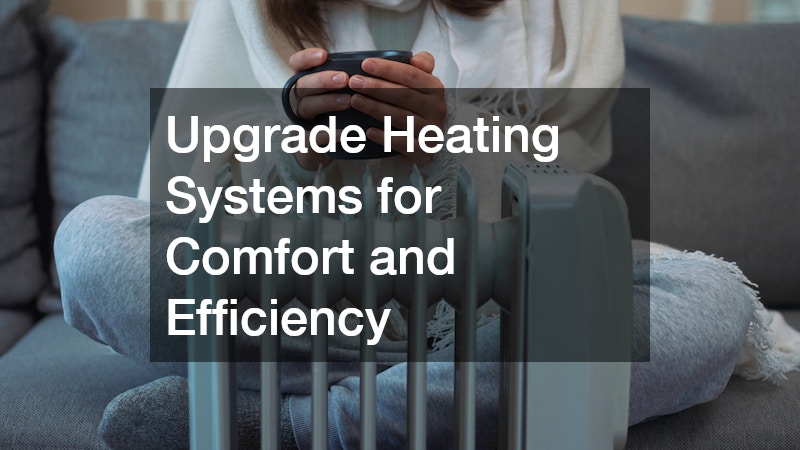
Heating systems play a vital role in maintaining indoor comfort during colder months. Upgrading to modern equipment can significantly improve efficiency and reduce energy costs.
Heat pumps are an increasingly popular option because they provide both heating and cooling. These systems transfer heat rather than generating it, making them highly energy-efficient.
Benefits of upgrading heating systems include:
-
Lower energy consumption
-
Improved temperature control
-
Reduced environmental impact
-
Enhanced indoor comfort
To maintain optimal performance:
-
Replace filters regularly
-
Schedule seasonal inspections
-
Keep outdoor units clear of debris
-
Monitor thermostat settings
Investing in efficient heating solutions and working with a reliable HVAC company ensures reliable performance and long-term savings.
Keep Cooling Systems Running Efficiently Year-Round
Cooling systems are essential for maintaining comfort during warmer months. Regular maintenance and timely upgrades help ensure reliable operation.
Working with an air conditioning company provides access to professional inspections, repairs, and system optimization. These services help identify inefficiencies and prevent breakdowns.
Homeowners can take simple steps to maintain cooling systems:
-
Clean or replace air filters
-
Keep vents and ducts clear
-
Inspect outdoor units for debris
-
Monitor system performance
Professional maintenance with an HVAC company should include:
-
Checking refrigerant levels
-
Inspecting electrical components
-
Cleaning coils and condensers
-
Testing system efficiency
Consistent care improves performance and extends system lifespan.
Choose the Right Professionals for System Installation and Repairs
Selecting qualified professionals is essential for ensuring quality workmanship and reliable results. When working with an HVAC, plumbing, or electrical company, consider the following factors:
-
Licensing and certifications – Ensure the contractor meets state and local requirements and holds up-to-date certifications for their specialty. Licensed professionals are more likely to follow code requirements and provide reliable service.
-
Experience with similar systems – Ask whether the contractor has experience with your specific system type or brand. Experience reduces errors and allows for quicker troubleshooting.
-
Customer reviews and references – Online reviews and direct references give insight into reliability, communication, and overall quality of work.
-
Warranty and service agreements – A professional who stands behind their work with clear warranties and service agreements provides peace of mind and long-term protection.
Before hiring a contractor, take these steps:
-
Request detailed estimates – Make sure each quote includes labor, materials, permits, and expected timelines.
-
Compare multiple quotes – Comparing several contractors helps ensure competitive pricing and identifies potential red flags.
-
Ask about maintenance plans – Regular maintenance options may save costs over time and extend equipment life.
-
Confirm timelines and project scope – Ensure you and the contractor agree on start and completion dates, as well as the specific work included.
Building relationships with trusted professionals simplifies future maintenance and repairs. Reliable contractors provide valuable guidance, helping homeowners make informed decisions about upgrades, energy efficiency improvements, and long-term system planning. Additionally, having a preferred contractor familiar with your home can expedite emergency responses and minimize downtime when issues arise.
Strengthen Electrical Systems for Safety and Capacity
Electrical systems must keep pace with modern demands. Outdated wiring or insufficient capacity can lead to safety hazards, decreased performance, and higher energy bills. Upgrading your system is not just a convenience—it’s a critical step for home safety.
An electrical panel upgrade increases capacity, improves reliability, and accommodates today’s energy-intensive appliances and devices. This is particularly important for homes adding electric vehicle charging stations, home automation systems, or high-demand appliances like ovens and HVAC units.
Signs that an upgrade may be needed include:
-
Frequent breaker trips or blown fuses
-
Flickering or dimming lights
-
Limited outlet availability in key areas
-
Outdated fuse boxes or panels with rust, corrosion, or visible wear
Upgrading your system provides several benefits:
-
Improved safety – Reduces the risk of electrical fires and accidental shocks
-
Increased capacity for modern devices – Supports new technology without overloading circuits
-
Enhanced energy efficiency – Modern systems minimize energy loss and improve performance
-
Compliance with current codes – Avoids potential fines or insurance issues
Regular inspections help identify potential issues before they escalate. Certified electricians can test circuits, detect hidden wiring problems, and recommend upgrades that align with current code and household demands.
Respond Quickly to Electrical Emergencies
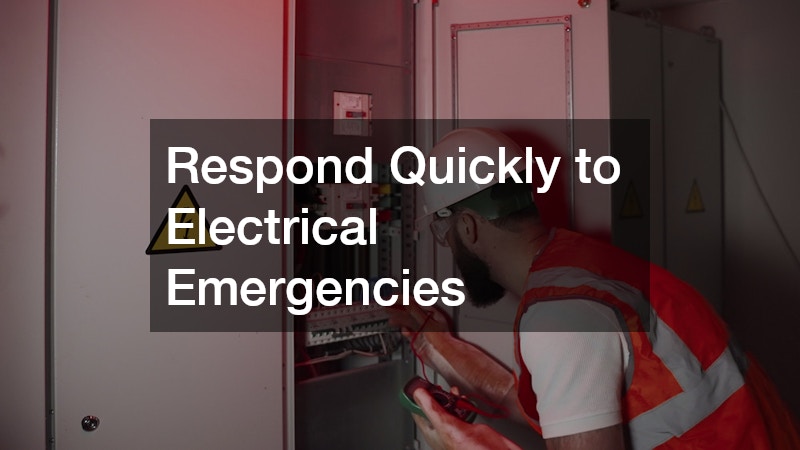
Electrical emergencies can pose serious risks and require immediate attention. Issues such as sudden power outages, exposed wiring, sparking outlets, or burning odors should never be ignored. Prompt action can prevent damage to your home and protect occupants.
An emergency electrician can quickly diagnose and resolve issues, often preventing costly repairs or hazardous situations. Homeowners should take the following precautions:
-
Turn off power at the main breaker if it’s safe to do so
-
Avoid contact with damaged wiring, outlets, or appliances
-
Keep a safe distance from affected areas, especially if sparks or smoke are present
-
Contact a professional immediately for evaluation and repair
Preparation is key to minimizing risks. Maintain a list of emergency contacts, including your trusted electrician, and ensure safety devices like smoke detectors, carbon monoxide alarms, and surge protectors are functioning properly. Having a plan in place can make all the difference in critical situations.
Coordinate System Upgrades for Maximum Efficiency
When upgrading multiple systems, coordination is essential. HVAC, plumbing, and electrical components often intersect, and poor planning can lead to costly delays or rework.
To streamline projects:
-
Create a detailed timeline outlining each phase of the project
-
Schedule inspections at key milestones to ensure compliance and quality
-
Communicate clearly with all contractors to avoid conflicts or misunderstandings
-
Plan upgrades in logical order, e.g., electrical upgrades before HVAC installation
For example, installing a new HVAC system may require electrical capacity upgrades and ductwork modifications. Similarly, plumbing changes may be necessary before installing new appliances or water treatment systems. By coordinating efforts, homeowners reduce costs, minimize disruption, and ensure all systems work together efficiently.
Build a Preventative Maintenance Schedule
Preventative maintenance is one of the most effective strategies for protecting your home and reducing long-term expenses. A structured schedule ensures that systems receive consistent attention before small issues become major problems.
Key components of a maintenance plan include:
-
Seasonal HVAC inspections and filter replacements
-
Routine plumbing checks for leaks, water pressure, and pipe integrity
-
Electrical system evaluations and testing of breakers, outlets, and panels
-
Water system inspections, including softeners, filtration, and heaters
Homeowners should also:
-
Track service dates, repairs, and upgrades
-
Maintain records of warranties and service agreements
-
Budget for ongoing maintenance to prevent unexpected costs
-
Schedule professional inspections annually for comprehensive system evaluations
The benefits of a structured maintenance plan include:
-
Reduced risk of unexpected breakdowns
-
Improved system efficiency and energy savings
-
Extended lifespan of equipment
-
Lower overall repair costs due to proactive problem-solving
Consistency is critical. Regular maintenance not only ensures operational reliability but also enhances safety, comfort, and property value.
Conclusion
Maintaining a safe, efficient, and comfortable home requires a holistic approach that addresses all core systems. Heating, cooling, plumbing, electrical infrastructure, and water delivery systems must work in harmony to support everyday living and long-term reliability.
By conducting regular assessments, investing in preventative maintenance, and partnering with experienced professionals, homeowners can avoid costly repairs and optimize system performance. Coordinated upgrades and careful planning further enhance safety, efficiency, and comfort.
Taking a proactive approach protects your investment and ensures your home remains a dependable and enjoyable space for years to come. Strategic planning, professional guidance, and consistent maintenance are the keys to a secure, energy-efficient, and worry-free home environment.
